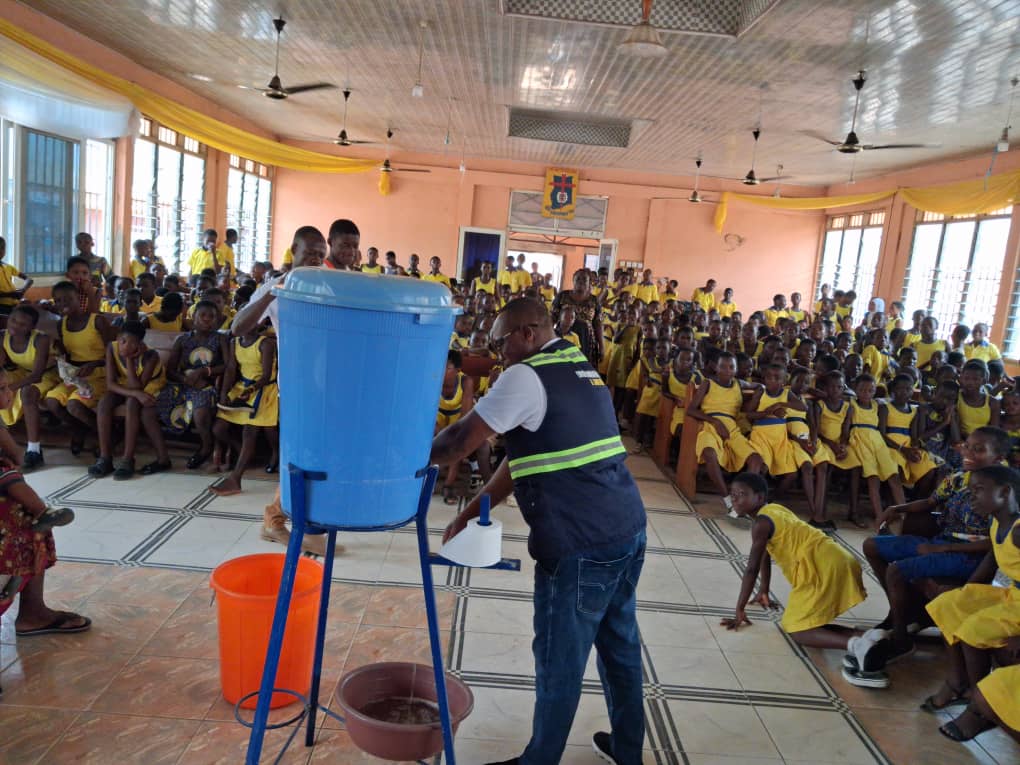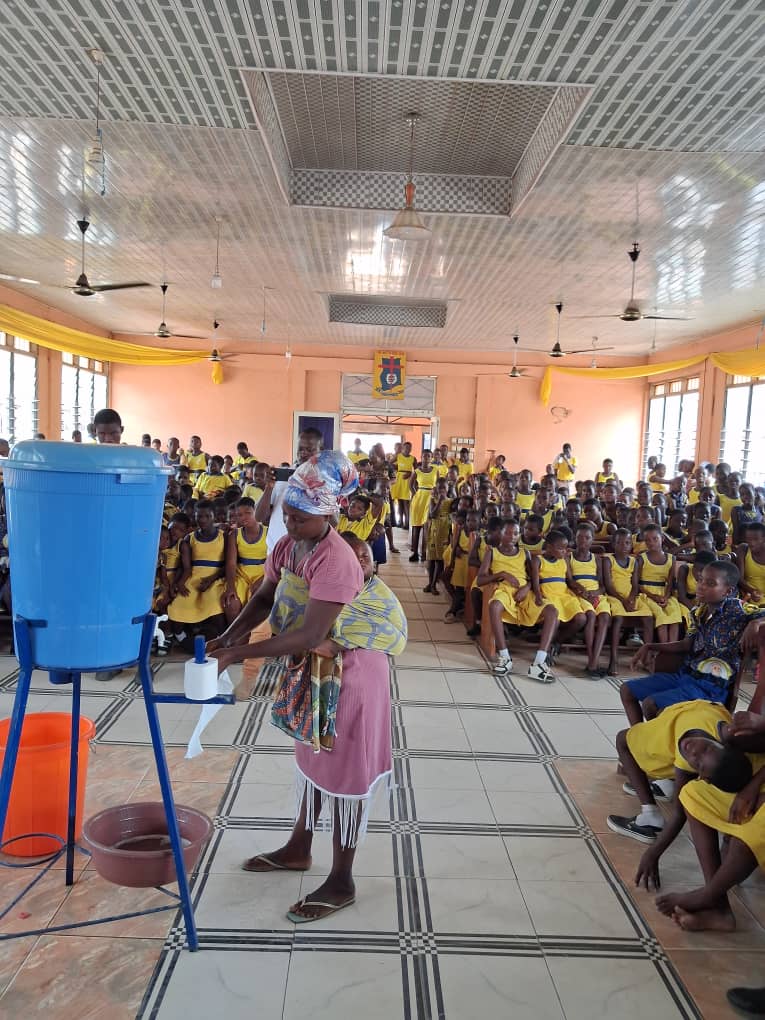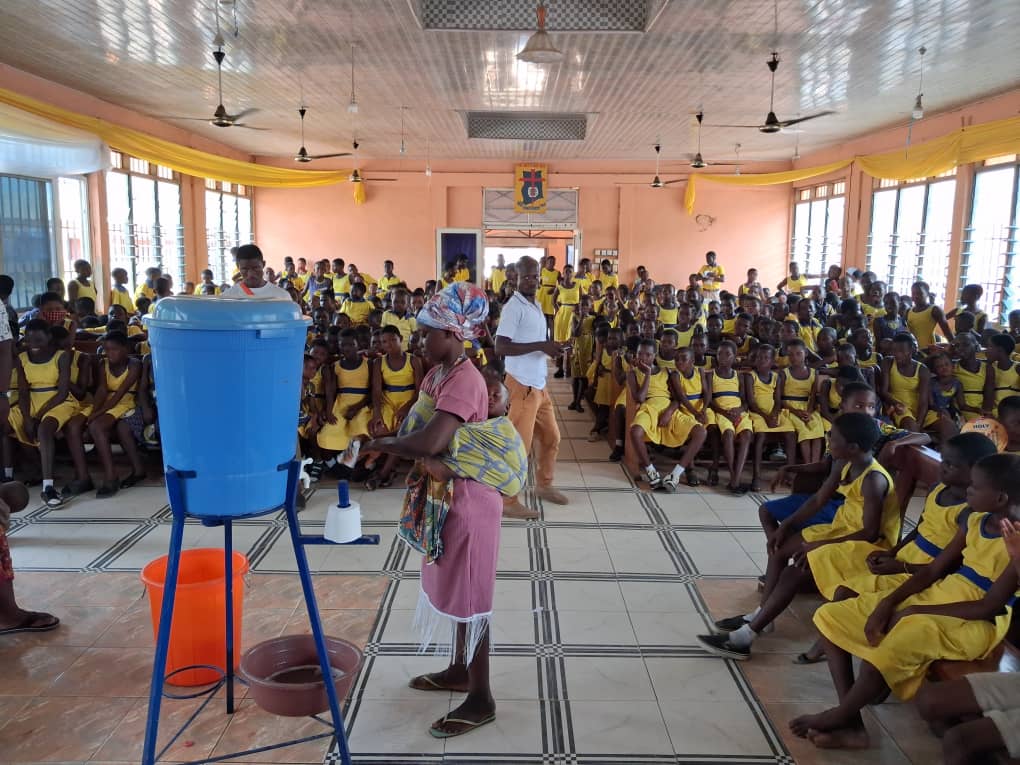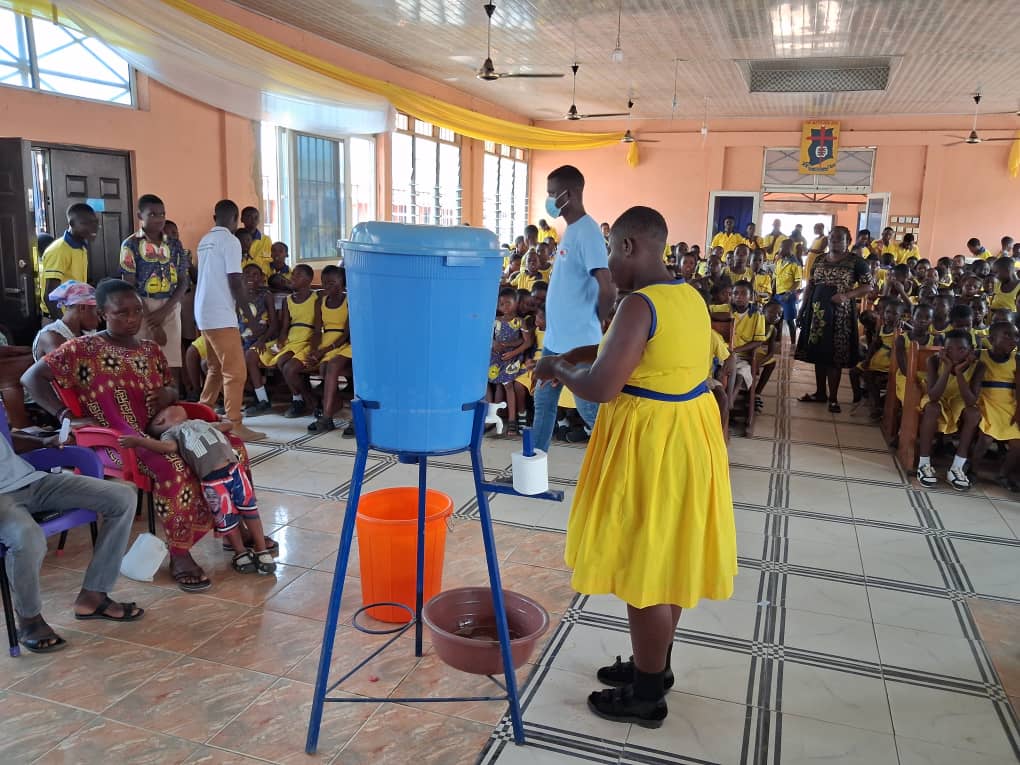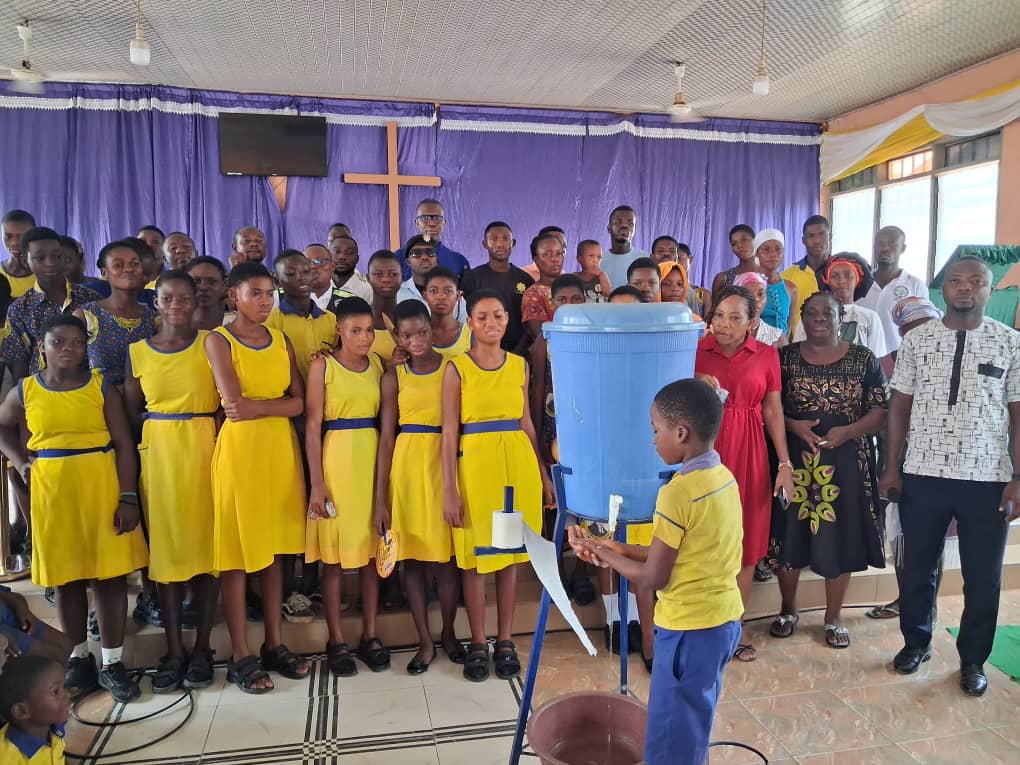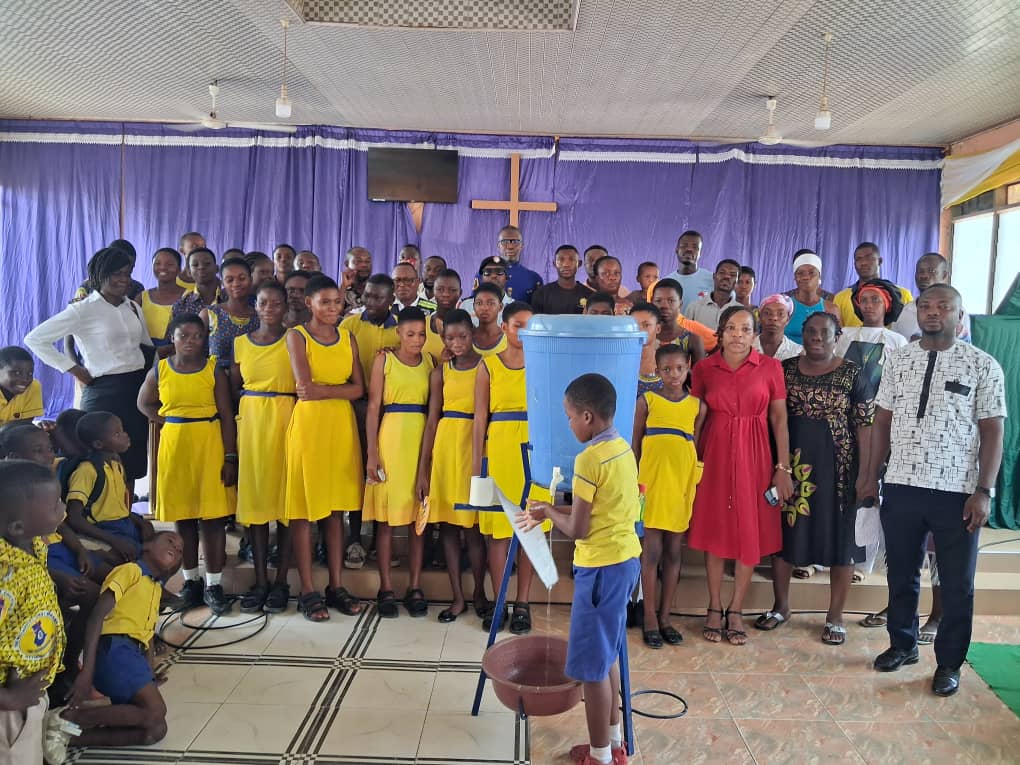
Battor – The North Tongu District Chief Executive, Hon. Victoria Yawa Amefadzi Doe, has called on residents to make handwashing a daily lifestyle habit, not just a response to disease outbreaks, as the district joined the world to commemorate Global Handwashing Day.
The event, held on 15th October, 2026 at the Battor Methodist Basic School under the theme “Clean Hands for a Healthier Future,” brought together members of the District Assembly, traditional authorities, Ghana Health Service, heads of departments, school authorities, development partners and the media.
Simple Act, Big Impact
In her keynote address, Hon. Doe said handwashing with soap and clean water remains one of the easiest, most affordable and most effective ways to prevent infectious diseases.
“Our hands come into contact with numerous surfaces and objects throughout the day. Without proper handwashing, germs can easily enter our bodies… leading to illnesses such as diarrhoeal diseases and other infections,” she noted.
She stressed that proper hand hygiene saves lives, reduces pressure on health facilities, improves school attendance and enhances productivity in the district.
From Awareness to Action
The DCE listed critical moments for handwashing, including before preparing food and eating, after using the toilet, after handling refuse, after coughing or sneezing, and whenever hands are visibly dirty.
She urged parents and teachers to teach children that handwashing is a lifelong protective practice, not just a rule.
Hon. Doe acknowledged that promotion of hygiene must go beyond education, to provision of facilities.
“We cannot expect our people to practise proper hand hygiene consistently if they do not have access to the necessary facilities,” she said.
She assured that the District Assembly will continue to work with the Ghana Health Service, educational institutions, traditional authorities and development partners to improve access to clean water, soap and handwashing stations, especially in schools, markets, health facilities, lorry stations and public toilets.
She called on:
- Schools to provide functional handwashing facilities and regular hygiene education
- Parents to reinforce lessons at home
- Food vendors and market traders to uphold strict hygiene standards
- Health workers and Environmental Health Officers to intensify public education and monitoring
- Traditional, religious and community leaders to make hygiene a shared responsibility
Shared Responsibility
Hon. Doe emphasized that handwashing is not the responsibility of government alone.
“Government can provide policies and support infrastructure… However, the desired results will only be achieved when individuals and households take personal responsibility,” she stated.
She also demonstrated proper handwashing technique – wetting hands, applying soap, rubbing all parts including palms, backs, between fingers, under nails and around thumbs for at least 20 seconds, rinsing with clean water and drying hygienically.
She urged stakeholders to pay special attention to children, older persons, persons with disabilities and vulnerable households in hygiene interventions.
“The success of this campaign should not be measured only by the number of speeches delivered or activities organised, but by the positive changes we see in our homes, schools, workplaces, health facilities, and communities,” she concluded.
The celebration ended with a call for all residents to commit to clean hands as a foundation for a healthier and more prosperous North Tongu District.