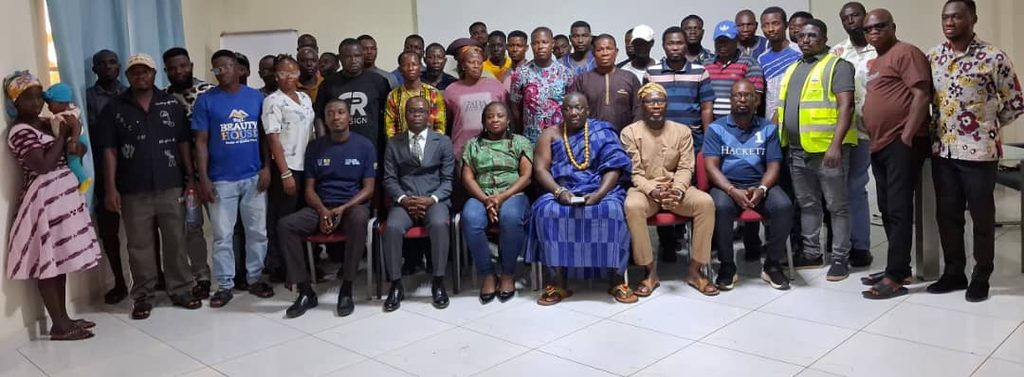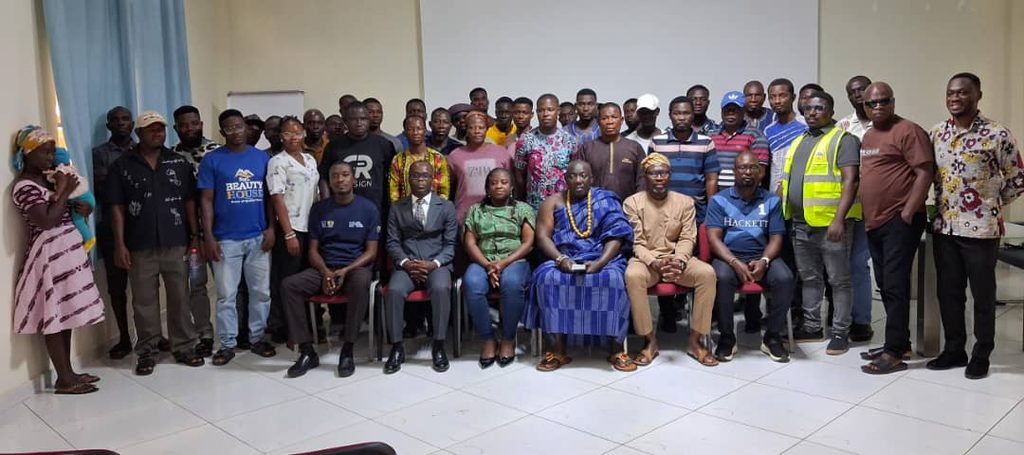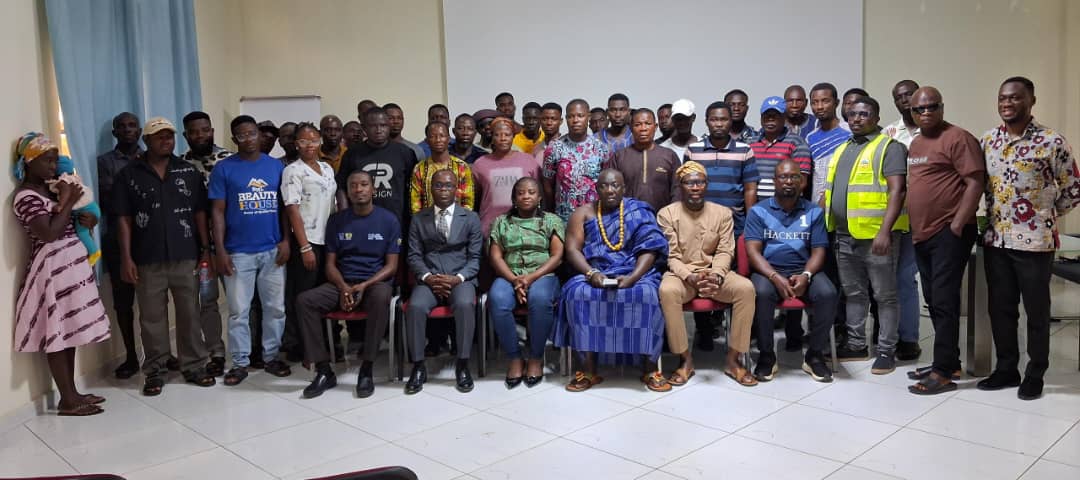
The Environmental Protection Authority (EPA), in collaboration with the Water Resources Commission (WRC), Volta River Authority (VRA) and National Security, has engaged key stakeholders in the North Tongu District as part of efforts to address the environmental and socio-economic implications of sand winning and dredging activities in the Lower Volta River.
The stakeholder engagement, held at the North Tongu District Assembly on Wednesday, 28th October 2026, forms part of ongoing consultations and field assessments by a multi-agency task force mandated to examine the effects of these activities and gather relevant information to inform regulatory decisions and promote responsible resource management.
The meeting brought together representatives from the participating institutions, officials of the North Tongu District Assembly, traditional authorities, sand-winning operators and other relevant stakeholders.
Addressing Environmental and Socio-Economic Concerns
Deliberations focused on the growing concerns surrounding uncontrolled sand winning and dredging activities, particularly their potential impact on the river ecosystem, surrounding communities and the long-term sustainability of the Lower Volta Basin.
Participants examined the applicable regulatory requirements governing sand-winning operations, while operators also had the opportunity to highlight some of the challenges associated with their activities.
A significant part of the discussions centred on the need to strike a balance between environmental protection and the economic importance of sand winning to individuals and communities whose livelihoods depend on the industry.
Stakeholders emphasised the importance of responsible operational practices, effective regulation and stronger institutional collaboration in addressing the challenges associated with sand winning and dredging.
Strengthening Stakeholder Collaboration
The engagement provided a platform for stakeholders to express their concerns, share experiences and contribute perspectives towards developing practical approaches to the sustainable management of sand-winning activities.
The multi-agency approach underscores the importance of coordinated action among regulatory institutions, local government authorities, traditional leaders, operators and affected communities in addressing environmental challenges within the Lower Volta Basin.
North Tongu District Assembly Reaffirms Commitment
The North Tongu District Assembly, through the District Chief Executive (DCE), reaffirmed its commitment to working closely with the EPA, WRC, VRA, National Security and other relevant stakeholders to promote environmentally responsible practices.
The Assembly further emphasised the importance of sustained collaboration and stakeholder participation in protecting the Volta River and ensuring that activities along the river are undertaken in a manner that does not compromise the environment or the well-being of future generations.
Towards a Sustainable Lower Volta River
The engagement represents an important step towards improving stakeholder understanding and strengthening collective efforts to address the environmental and socio-economic challenges associated with sand winning and dredging activities.
As consultations and field assessments continue, the active participation of all relevant stakeholders will remain essential in ensuring that regulatory decisions are informed by practical realities while prioritising environmental sustainability.
Ultimately, protecting the Lower Volta River requires a shared commitment from institutions, traditional authorities, operators and local communities to ensure that its resources are responsibly managed and preserved for present and future generations.